
saving native seeds and learning the stories of local plants
Technology + Sustainability
Technology should help us pay closer attention to the living world, not distract us from it.
Meyer Lemon is not tech-first. We use thoughtful tools when they help families notice patterns, ask better questions, and make more caring choices.
Our approach
Build with nature, not against it.
At Meyer Lemon, we believe the future of technology should feel less like escape and more like return: return to soil, seasons, family learning, and reciprocal care for the places we live.
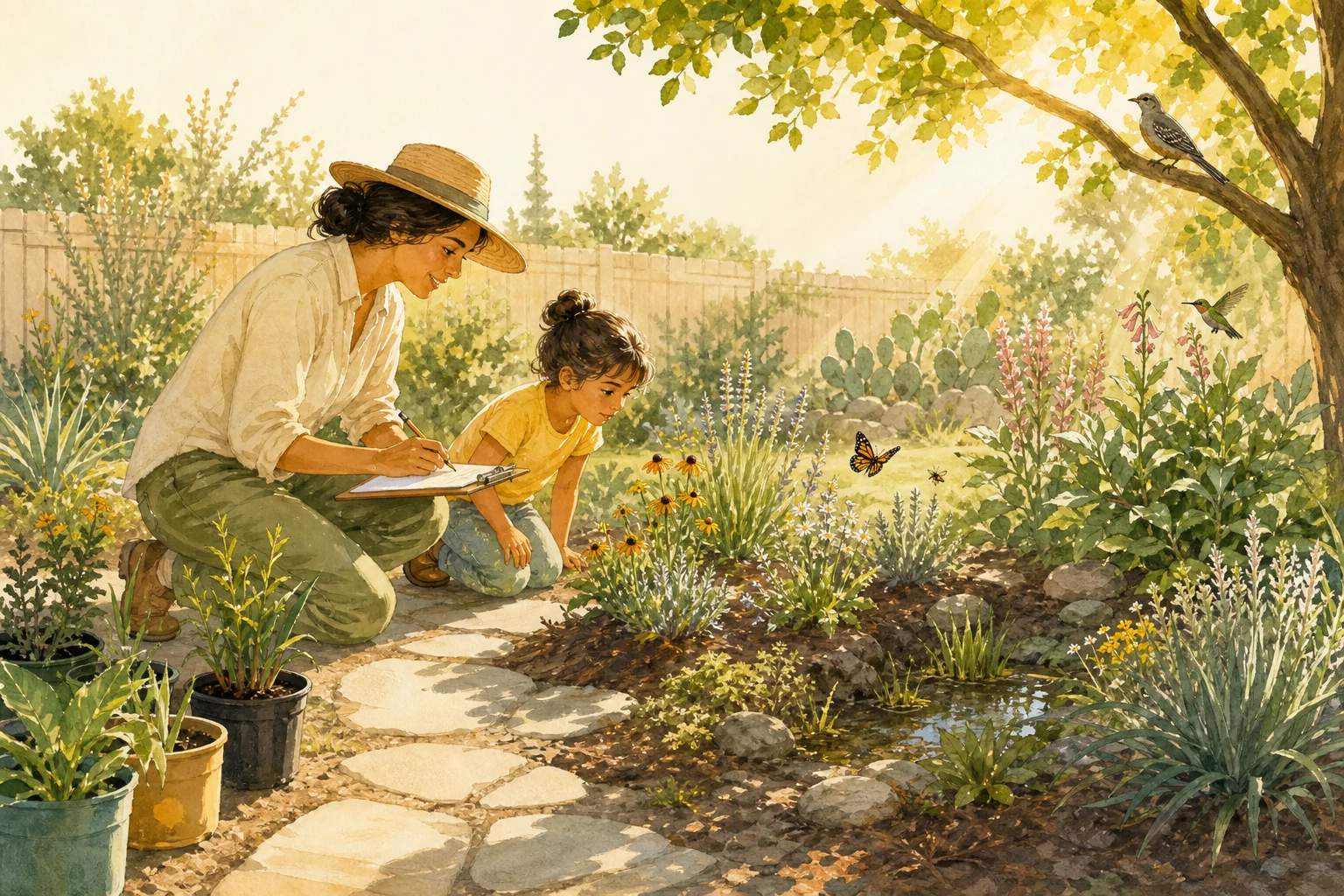
The real promise is not in distant laboratories alone. It is in the family garden, the compost bin, the seed jar, the mushroom block, the rain barrel, and the kitchen-table experiment. A child saving native seeds is practicing biodiversity. A family growing oyster mushrooms from waste is learning circular design. A backyard planted with native species becomes habitat, climate resilience, and science classroom all at once.
What this can include
Practical, grounded uses of technology.
turning compost, mushroom growing, and soil care into family science
using simple sensors or apps to notice water, weather, and seasonal patterns
designing backyard habitats that support birds, pollinators, and native life
exploring biomaterials with safe kitchen-table experiments like agar, starch, or algae
asking better questions with AI while keeping hands-on observation at the center
The philosophy
Use technology to reconnect with nature, not drift farther from it.
Technology can help: apps can guide planting schedules, sensors can teach us about soil moisture, and AI can help families recognize patterns in weather, water, and growth. But the goal is not to replace local knowledge. The goal is to listen better.
Meyer Lemon brings together traditional ecological knowledge, biodesign, and emerging technology to help families imagine a different kind of future: one where children learn by tending living systems, design begins with respect for the land, and innovation is measured by how much life it helps sustain.
Start a conversationInspiration touch points
Ancient stewardship, biodesign, and biology education are part of the same invitation.
Across these sources, we see a shared thread: sustainability is a relationship before it is a product. Indigenous fire stewardship shows how careful, place-based knowledge can sustain balanced ecosystems over generations. OXMAN’s biomaterial work explores products that grow, serve a purpose, and decompose. Ginkgo Bioworks points toward less extractive ways of producing ingredients and materials. Stanford’s low-cost CRISPRkit shows how biology education can become more accessible when handled with humility, care, and adult supervision.